

Content Creation Studio London Benefits in West London
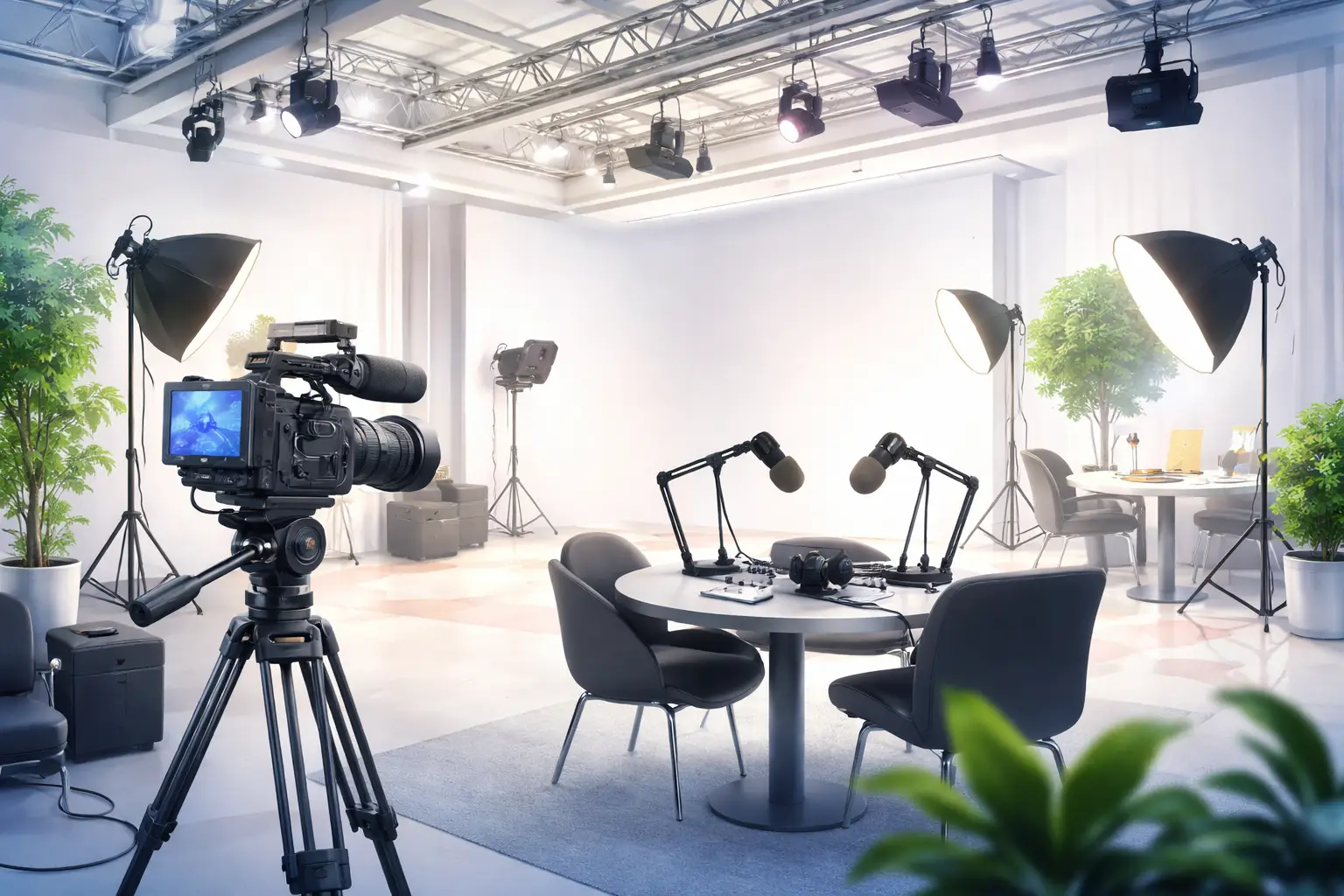
Hiring a versatile media production studio in West London transforms a fragmented production into a focused, efficient project. For filmmakers, agencies, brands and independent creators the practical gains are real: fewer vendors to coordinate, consistent technical standards from shoot through post, and a single point of accountability for logistics and delivery. Below I map out how a full-service studio setup—capable of film and TV shoots, podcasting, photography, live streaming and post work—shifts timelines, budgets and creative control in your favour with concrete, scenario-driven examples.
Why one-location production matters for real projects
Imagine a product launch campaign: you need product photography, a 30-second commercial, social clips and a director’s cut for broadcast. Coordinating separate crews, studios and post houses adds booking friction, transit risk, and inconsistent visual tone. A single content creation studio London that can host photography, film and edit in-house reduces handover points. You keep the same DIT, colour pipeline and creative team from capture to final export—so your colour grading, product detail shots and social edits match the campaign brief precisely.
post production services London
When a studio offers integrated post production services London, turnaround and quality control improve. Editing suites on-site mean dailies are reviewed immediately, VFX and motion-graphics handoffs are direct, and revisions are faster because editors and colourists can consult with the shoot director in the same facility. For scenarios with tight delivery windows—such as time-sensitive social campaigns or TV spots—this setup reduces iteration cycles and keeps the creative intent intact.
Core benefits with step-by-step scenarios
1. Faster delivery with unified workflows
Scenario: a creative agency must deliver a suite of vertical and horizontal assets for a product release. Booking one versatile space lets you:
- Schedule photography and filming back-to-back in the same studio to avoid packing and unpacking equipment.
- Use in-house post production to ingest, transcode and hand deliver timeline versions the same day.
- Reduce transport time between locations and minimise crew overtime.
Result: fewer administrative handoffs and a single creative chain of custody from capture to final exports.
2. Consistent technical standards and experienced crew
Hiring a professional video production company London or a film and TV production London studio with experienced technicians means you get predictable lighting rigs, camera packages and audio capture that suit the project. A studio with a history of mixed-format work—commercial video production London, music videos, product photography and podcast recording—will staff projects with technicians who understand cross-discipline requirements, reducing setup errors and technical re-shoots.
3. Cost control and clear scheduling
Versatile spaces often provide dry hire and tech-assisted hire options. That flexibility helps production managers plan for crew sizes and equipment needs without committing to multiple vendors. By consolidating hire for camera, lighting, grip, and editing suites, you can build clearer day-rates and avoid emergency add-ons when a separate supplier under-delivers.
4. Better creative collaboration
When director, DOP, editor and client can be in the same building—sometimes even in adjacent rooms—creative decisions are faster and feedback loops tighten. On-site review suites shorten approval cycles for rough cuts and sound mixes, which is valuable for projects that require multiple stakeholder sign-offs.
How location and facilities in West London add practical value
West London studios sit strategically between Central London and major transport hubs. Proximity to production offices, cast and equipment suppliers reduces travel time and simplifies logistics for larger shoots. On-site amenities—secure parking for kit vans, loading access, workshop space for set builds, and dedicated green rooms—translate directly into saved time on load-in and load-out.
Hybrid use cases studios support
- Live product launches with a broadcast-quality live stream and a follow-up edited package for social media.
- Podcast recording with simultaneous video capture and live streaming to social channels.
- Music video shoots that require green-screen, choreography space and in-house post for VFX.
Social and commercial production advantages
For teams focused on short-form performance content, social media video production London capability within the same studio shortens the path from shoot to platform-ready formats. For brands commissioning TV spots or long-form content, commercial video production London experience ensures compliance with broadcast delivery requirements and familiarity with necessary deliverables.
Practical checklist when assessing a studio for your project
When comparing options, evaluate the studio with scenario-based questions:
- Can the studio host the full scope of your shoot day and the necessary post work without moving footage off-site?
- Do they provide experienced technicians for lighting, sound and camera packages relevant to your project type?
- What are the available room sizes and load-in logistics for your required set pieces or audience?
- Is there on-site parking and secure kit storage for multi-day shoots?
- Does the studio support the codecs and final delivery formats you need (broadcast masters, social formats, subtitled files)?
Diagnosis and Action Checklist
This checklist helps you resolve common uncertainties before booking a studio.
- What is uncertain
Example uncertainties: exact equipment inventory, studio sound isolation performance, available power capacity, legal permissions for public filming, and specific post production capabilities. - Where to look in official sources
– For building capacity, power and safety: consult the studio’s technical specification sheet or facilities manual.
– For soundproofing and noise limits: request measured RT60 figures or SPL test reports from the studio’s technical documentation.
– For filming permissions: search the local council film office guidance and film office application pages.
– For post delivery standards: review the studio’s post production delivery spec or request an export checklist. - What data to gather and tests to run
– Ask the studio for a current equipment list with model numbers and verify against your technical rider.
– Request a short sample capture (or review recent showreel footage) to check audio and image quality.
– Confirm power circuit details (amps per circuit) and request a site plan showing load-in doors and van access.
– For sound-sensitive shoots, arrange an on-site walkthrough to test room noise at typical shooting hours. - How to decide between scenarios
– If the studio provides full in-house post and meets your delivery codecs, prefer a single-location booking to reduce handoffs.
– If sound isolation metrics or power capacity fail to meet your needs after testing, plan for a split workflow (capture at one site, post at another) and schedule buffer time for transfers.
– When local council permits are required, confirm lead time for approvals; if the permit timeline conflicts with your schedule, choose a studio with private grounds or existing permit experience.
Booking, logistics and working with a studio team
To convert inquiry to smooth production, prepare a clear brief that includes shoot duration, kit needs, crew numbers, parking and power requirements, and post deliverables. Ask for a floor plan and a sample day-rate schedule. If a studio offers dry hire, confirm what crew roles remain your responsibility and which technical staff the studio provides. For multi-day projects, negotiate a staging plan that keeps set builds and tech rehearsals within booked access hours.
Ravenor Farm Studios in Greenford, West London is an example of a facility built to serve mixed workflows: film and TV production, podcasting, photography, live streaming and dry hire. If your brief needs space for product shoots, broadcast-ready video, and immediate post production, look for studios that offer combined services to reduce handoffs and keep creative control tight.
How to test a studio on a trial project
Run a scaled test: hire the studio for a half-day to verify acoustics, lighting setups and on-site post workflow. Use the trial to run one complete asset from capture to a social-ready clip so you confirm the actual end-to-end timing and file handoffs. That short trial will expose hidden issues—transcoding delays, upload bandwidth limits, or kit gaps—before a full production.
Examples of internal resources and next steps
If you need specialist hire for photography or live streaming, use targeted studio pages during your evaluation. For example, consult a dedicated photography studio page when planning product shoots and a live streaming studio page for broadcast requirements. You can also compare podcast-specific facilities when planning a multi-track recording session.
Relevant studio pages for further reading:
- Photography Studio Hire in Greenford for Your Project
- studio hire London for live streaming in West London
- Podcast Studio Hire London for Creative Projects and Events
Final recommendations and a practical booking checklist
Before you confirm a date, run this quick booking checklist:
- Confirm the studio can cover capture and the required post production steps (edit, colour, delivery formats).
- Verify kit inventory and reserve any specialist gear.
- Check load-in logistics and parking for vans and trucks.
- Arrange an on-site tech walkthrough and request contact details for the on-call technical lead.
- Book a short trial or rehearsal to validate timelines and technical handoffs.
Hiring a versatile studio in West London reduces operational risk, shortens timelines and keeps creative control in one place. For commissions that combine photography, film and social outputs, a single, well-equipped facility is often the most efficient and reliable route from brief to delivery.