


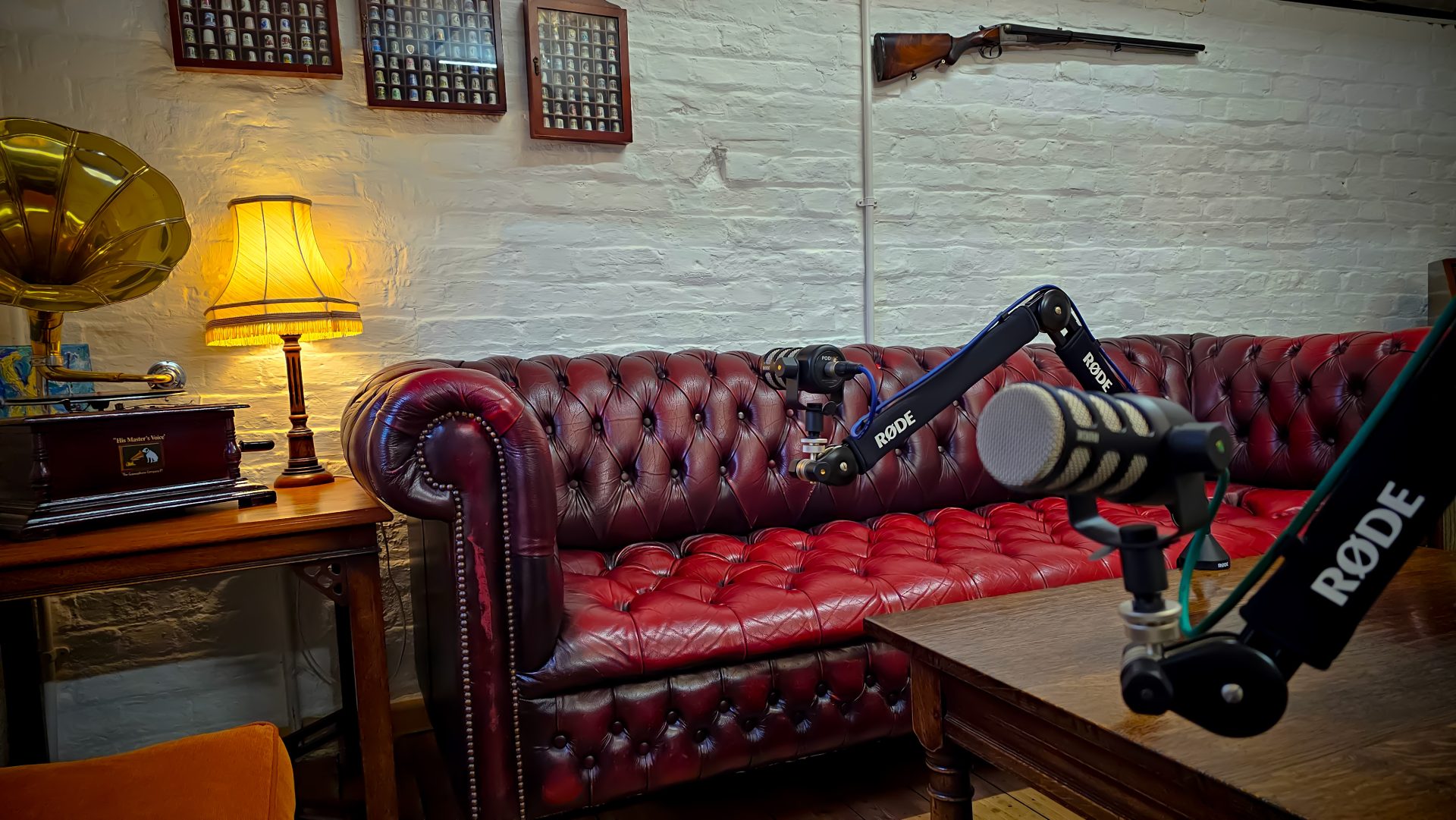
Podcast studio Greenford Booking Guide for Pro Recordings
Recording a professional podcast in West London starts with choosing a soundproof studio that matches your creative and technical needs. This guide walks you through a scenario-based booking process at a production facility such as Ravenor Farm Studios in Greenford, covering how to define requirements, test acoustics, arrange technical support, and plan post-production. Use the checklists and examples below to turn an enquiry into a smooth recording session.
Assess your production brief and goals
Start by writing a one-page brief for the session. Treat this like a production call sheet condensed into goals: episode length, number of hosts and guests, interview format (in-person, remote hybrid, or fully remote), recording deliverables (stems, full mix, edit), and turn-around expectations. A clear brief helps the studio scope kit, room layout and technical staffing.
- Scenario: Two hosts and one in-person guest, 60-minute episode, deliver full mix and separate vocal stems.
- Outcome needed: isolated tracks for each voice, minimal room noise, and a short post-production turnaround.
podcast studio Greenford booking essentials
When you contact the studio, provide the brief and ask for a written confirmation of the following items. Use this list as a template for your message or booking form so nothing is missed before the day.
- Confirmed room(s) and seating plan for the number of participants.
- Available microphones and headphone count; ask for model names if you have preferences.
- Audio interface and multitrack recording format (e.g., WAV at project sample rate).
- On-site engineer/tech support hours and responsibilities.
- Options for remote caller integration and backup recording procedures.
Check technical fit and equipment
Translate your brief into technical requirements. If you need high-end vocal mics, confirm inventory. If isolation is critical, ask about room construction and acoustic treatment rather than accepting vague descriptions. Here’s a practical checklist to determine whether a studio’s kit will deliver your target sound.
- Microphone options: dynamic and condenser choices and their availability for hire.
- Monitoring chain: headphone distribution system and talkback setup.
- Recording format: confirm multitrack recording, sample rate, bit depth and file delivery method.
- Backup recording: redundant recorder or second DAW instance for safety.
- Latency and remote guests: dedicated codec, Zoom backup, or ISDN replacement workflow.
photography studio Greenford and content options
If your episode needs visual assets—cover photos, behind-the-scenes clips, or social video—you can combine a short photoshoot or multi-camera capture in the same session. Ask whether the space doubles as a photography studio and whether they offer lighting, green-screen, or a basic camera pack. Combining audio and visual capture in one booking saves time and preserves creative continuity for social media and web content.
Mention that you want final assets suitable for social platforms when booking so the studio can schedule photographers or camera operators and plan lighting and framing alongside audio setup.
studio hire Greenford logistics and on-site workflow
Booking logistics are often where sessions get delayed. Use this stage to confirm arrival time, load-in details, parking, access to Wi-Fi, refreshments, and space for equipment cases. A smooth on-site workflow is just as important as the technical spec when you want a professional result.
- Plan a 60–90 minute setup window before recording for mic placement, soundcheck and brief engineer rehearsal.
- Confirm a clear contact person on arrival and a mobile number for the studio tech.
- Ask about storage space for personal equipment during recording and secure areas for valuables.
content creation studio London integrations
Many studios in West London combine podcast facilities with content creation services. If you plan to repurpose episodes into social clips, request multi-angle camera capture, a rough edit, or assets optimised for vertical and square social formats. Booking these services in advance allows the production team to capture cutaways and B-roll that align with your promotional strategy.
post production services London follow-up and delivery
Post-production can make the difference between an OK episode and a professional show. Confirm what the studio includes in post: editing, noise reduction, EQ, compression, loudness normalisation and optional show notes. Ask for sample turn-around times and file delivery methods so you can schedule publishing.
When post-production is handled externally, request a clear scope of work and file naming conventions for stems, raw files, and final masters to avoid rework.
On-site test recording scenario
Before the first live take, run a short test as if you were recording the episode: perform a scripted 3–5 minute segment with full mic technique, headphones, and any remote integration. Listen back to the test files in the control room and on your headphones. Confirm the following outcomes before proceeding:
- Vocal intelligibility and consistent levels across participants.
- Absence of noticeable room reflections or HVAC noise.
- Metadata and file labelling set correctly for post-production.
Practical booking timeline and roles
Below is an example timeline for a standard half-day session. Adjust times to your brief and studio availability.
- Arrival and load-in: talent and equipment check.
- Setup and mic checks: engineer configures routing and monitoring.
- Technical rehearsal: run test recording and listen back.
- Recording: primary session and any pick-ups.
- Wrap and file handover: confirm session media backups and delivery plan.
Pricing and contract considerations
Request a clear quote that separates room hire, engineer time, equipment hire and post-production. Make sure cancellation policy, overtime rates and rights for recorded content are explicit in writing so there are no surprises when you receive the invoice or assets.
If you plan a regular series, ask about block-booking discounts or retainer options that include ongoing post-production and storage.
Day-of recording checklist
Use this practical list on the day to keep the session running smoothly.
- Labels and headphones for each participant.
- Spare mic cables, adapters and an extra dynamic mic.
- Printed brief and rundown for the engineer and talent.
- Consent forms and release forms signed by guests if required.
- Chargers for laptops, phones and any mobile recorders.
Ravenor Farm Studios and local options
Facilities in West London like Ravenor Farm Studios provide flexible studio spaces and technical support for creators and production teams. If you want to explore similar articles about studio hire and choosing spaces in West London, see related posts on the blog for deeper guidance and examples of setups.
Related reading within this site:
- Studio hire West London Ravenor Farm Studios Greenford
- Ravenor Farm Studios studio hire West London for productions
Diagnosis and Action Checklist
This checklist helps you resolve common uncertainties that arise when booking a soundproof podcast studio in West London. Follow each step to verify facts with authoritative sources and make confident decisions.
-
What is uncertain: the studio’s actual sound isolation performance and whether local noise rules or building restrictions affect recording quality.
Action: Ask for proof of acoustic treatment and measured results; request a short test recording from the offered room. - What to search in official sources: look for terms such as “building regulations sound insulation”, “planning permission noise guidance”, “British Standards sound insulation”, and “local council noise policy” on official websites.
-
Data to collect and tests to run:
- Collect a sample WAV test recording from the studio (30–60 seconds, recorded from each mic position).
- Request a list or photos of acoustic treatment and wall/ceiling construction details from the studio (e.g., double-glazed windows, floating floors).
- Note times when HVAC or transport noise is worst and compare with your planned recording hours.
-
Types of official sources to consult:
- National building codes and official guidance documents (e.g., UK Building Regulations and related guidance).
- British Standards or equivalent acoustics standards for studios (search for standards bodies or accredited standards catalogues).
- Local council planning and environmental health pages for noise and permitted hours.
- Industry body guidance for studio best practices (trade associations or broadcasting unions).
-
If multiple scenarios are possible (e.g., test recordings show low-frequency rumble vs. intermittent traffic noise), how to decide:
- If tests show broadband room noise present in the recordings, request mitigation (additional treatment, mic position change) and repeat tests before confirming full session.
- If the issue is intermittent external noise at certain times, change booking to quieter hours or confirm post-production repair options are sufficient.
- If the studio cannot provide verifiable test recordings or construction details, seek an alternate room or a studio that documents isolation performance.
Final steps to confirm your booking
Before you sign the booking agreement, confirm the session date, start and end times, technical rider and any additional services. Ask for a written session brief from the studio that lists exactly what will be provided and what you must bring. Once you have that confirmation in writing, your recording day should proceed with confidence.
If you need tailored guidance for a specific episode format or support preparing a technical brief, contact the studio team with your one-page brief and ask for a short pre-session consultation to align expectations and technical resources.