

Studio Hire West London for Events and Content Success
Planning an event in West London is about more than picking a room: you want a space that supports production values, audience experience and content capture. This guide walks event organisers, producers and content teams through the practical steps to maximise success when you choose venue hire with studio-grade facilities in West London. It uses real-world scenarios and step-by-step actions so you can make decisions confidently and convert a hire into memorable content and measurable outcomes.
Why choose a production-focused venue for your event
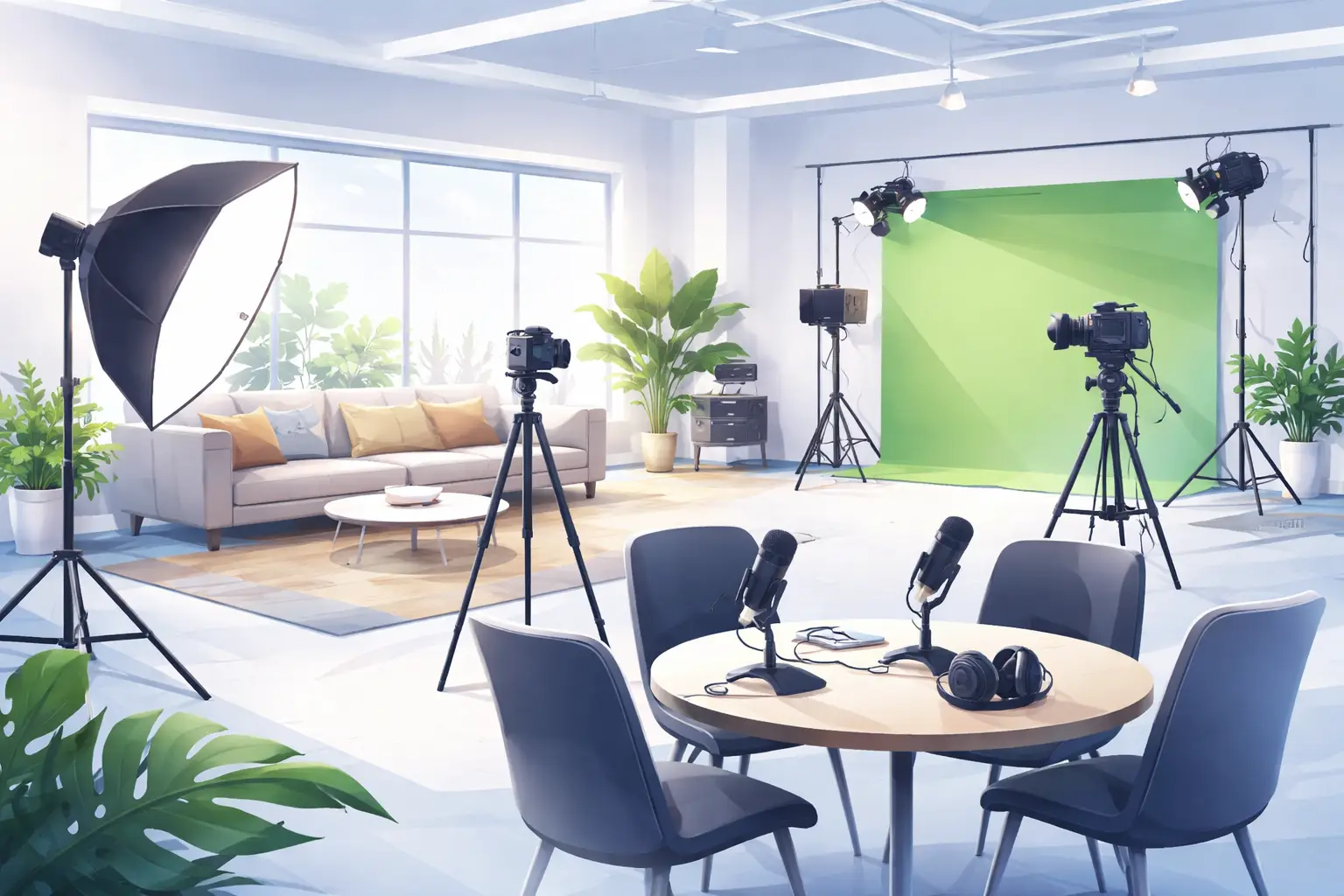
Traditional event halls are optimized for seating and catering; production-focused venues combine those essentials with dedicated technical infrastructure: fixed power feeds, blackout options, rigging points, green-screen capability, integrated audio, reliable internet and on-site technical staff. When your event also aims to produce recorded or streamed content, choosing a venue with those features reduces risk, saves time and improves final output quality.
Ravenor Farm Studios in Greenford sits geographically between Central London and Heathrow, offering flexible spaces that support film and TV production, podcasts, photography and live streaming alongside event layouts. Booking a venue that doubles as a content studio means your keynote, panel or launch can be captured to broadcast-standard without improvising gear on the day.
studio hire Ealing and logistics for hybrid events
When planners search locally, options like studio hire Ealing are useful because they keep travel times short for London-based crews and guests. Use a nearby studio to stage rehearsals, tech checks and camera blocking the day before live activities. That reduces setup time on event day and prevents schedule creep.
- Book a rehearsal slot in the studio the day prior to run through camera positions, presenter cues and live-stream encoders.
- Confirm power and stage load capacities—production venues typically provide technical riders or venue specifications you can audit.
- Plan transfer routes for equipment from loading bay to stage and document any stairs, lifts or narrow doors that require advance handling.
Stage design and audience flow that enhances content
A common mistake is designing for live sightlines without considering camera sightlines. Effective stage plans prioritise both. Create a layered plan that marks sightlines for three profiles: in-room audience, fixed-camera positions, and roaming camera tracks for cutaways.
- Map attendee entry/exit routes to avoid camera sightline interference during transitions.
- Design a presenter area with a defined camera-facing plane so presenters stay in frame when moving.
- Include a breakaway space for one-to-one interviews or sponsor activations that require clean audio and controlled lighting.
Technical rehearsals and run sheets
Run a full technical rehearsal with the same kit and crew you’ll use on event day. That rehearsal should include a dress run for lighting cues, audio checks (including any remote guest connections), and a streaming test to the same CDN or platform you plan to use. Document a minute-by-minute run sheet and share it with stage managers, A/V leads and presenters at least 48 hours before the event.
Practical checklist for production services and post event deliverables
Decide early what production services you need: single-camera recording, multicam switching, livestream encoding, on-site editorial for quick-turn edits, or post production services London for final cuts. Clarify deliverables in the contract: raw footage, multi-track audio stems, b-roll, and final masters with specified codecs and aspect ratios.
- Specify camera formats and codecs to avoid rewrap work in post production.
- Confirm audio stems for each presenter and ambient room mics for better mix options later.
- Plan for a same-day edit if you need clips for social channels immediately after the event.
Booking and on-site coordination at Ravenor Farm Studios
If you choose a Greenford-based facility, plan site visits to confirm studio size, power, rigging points, loading access and green-room availability. Use the studio’s technical rider to match crew and kit requirements. For teams focused on visual content, the availability of a photography studio Greenford or film studio Greenford can be a deciding factor because those spaces are already set up for controlled lighting and backdrop systems.
For podcast-led panels or record-and-edit live sessions, check the availability of a podcast studio Greenford that includes isolation booths, talkback and monitoring. Confirm internet SLA for any remote contributors and ask for a wired backup path for reliable streams.
Content-first event formats that perform on social
Think like a content producer from day zero. A social media content studio London approach to event design prioritises vertical and short-form capture, multiple framing options and rapid post production. Schedule micro-sessions targeted at social audiences—90-second explainers, 30-second highlights and short interviews—so your post-event content pipeline has high-value clips ready for rapid distribution.
Realtime editing and a distribution plan
Allocate one editor to assemble social edits while the event runs. That person should work from a curated ingest folder and produce platform-specific deliverables: subtitles, vertical crops and thumbnail options. If you plan to hand final assets to an agency or in-house social team, define file naming and storage conventions to speed handover.
Budgeting smartly for venue and production hire
Match the scope of your production to realistic budget lines. Prioritise the right technical roles on the day— a technical director to manage feeds, a streaming engineer for encoders, a lighting tech and audio engineer. A venue that offers dry hire with optional in-house technicians can provide cost control while keeping access to skilled staff when needed.
When you compare quotes, check what’s included: prep time, tech support, rehearsals, insurance requirements, and any venue restrictions on decor, pyrotechnics or food service. A clear scope reduces late increases in cost and protects your schedule.
Event day operations and risk reduction
On the day, establish a single point of contact for technical, stage and guest liaison. Use a shared messaging channel for quick updates and a printed run sheet for stage crew. Implement simple risk mitigations: labelled cable runs, taped transitions, and a quiet green room for presenters to prepare.
Have backups for critical elements: an additional wireless mic pack, an alternate streaming encoder and a spare camera battery bank. Most issues on the day are logistic, and planning spare capacity prevents small problems from disrupting the whole show.
Post-event workflows that extend value
Convert event moments into long-term content by planning post production workflows in advance. Contract post production services London for versioning, finishing and captioning. Create a prioritized asset list: hero highlight, session cutdowns, speaker promos and b-roll packs for future use. Store master files in a structured archive with clear metadata tags so assets are searchable months later.
Consider follow-up activations: email snippets, clips for paid social, and edited interviews as thought leadership posts to extend reach beyond the event date.
Diagnosis and Action Checklist
This checklist helps you confirm uncertain details and collect definitive information before booking or confirming a studio-based venue hire.
- What is uncertain: exact technical capacity, rigging limits, internet SLA, and available technical staff for your event.
- Where to look in official sources: request the venue technical rider and venue specification document; in the rider search for terms like “power”, “rigging”, “Truss”, “internet”, “SLA”, “bandwidth”, “technical staff” and “load-in”.
- Data to collect / tests to run:
- Download the venue’s technical rider PDF and capture the sections on power ratings, dimmer patch, rigging points and maximum load.
- Run a site-speed test on wired and Wi-Fi connections during business hours; record measured bandwidth (Mbps) and latency (ms).
- Request a photo or scale drawing of the stage and loading routes; measure door widths and lift dimensions if heavy kit is used.
- Get confirmation of available onsite crew roles and the hourly rates or included hours for each role.
- Ask for a sample schedule from a previous similar event to benchmark realistic setup and strike times.
- How to decide between scenarios:
- If required camera positions or rigging loads exceed the venue’s published limits, plan an alternative layout or book specialist rigging and confirm insurer sign-off.
- If measured internet bandwidth is lower than your encoder needs, require a dedicated wired line or an offline recording fallback and re-test at the scheduled event time.
- If the venue cannot provide required technical roles, either bring a trusted crew or confirm hire from a recommended roster provided by the venue and add to the contract.
Next steps and useful internal references
When you’re ready to evaluate venues in detail, visit pages with focused guidance on production and venue features at Ravenor Farm Studios:
- production studio hire London at Ravenor Farm in Greenford
- Podcast Studio Hire West London for Creators
- Filming studio hire London and versatile West London venue
Choosing a production-minded venue transforms an event into a repeatable content machine. Use the checklists above, secure the right technical partners, and prioritise rehearsals and backup plans to maximise outcomes. Whether you need studio hire Greenford for a film shoot, photography studio Greenford for visual assets, a podcast studio Greenford for a live recording, or a social media content studio London approach to promote the event, planning with production in mind will consistently raise the quality and extend the value of your event.