

Filming studio hire London and versatile West London venue
Choosing a versatile event venue and studio in West London can transform a production or event from “stressful logistics” into a tightly run, creative day. This article explains practical advantages for filmmakers, producers and creative teams, with scenario-driven examples and step-by-step actions you can apply when booking a space. Wherever helpful, I reference practical studio capabilities you should expect from a professional facility such as Ravenor Farm Studios in Greenford — a location that combines production-ready spaces with an event barn and dry hire flexibility.
film and TV production London
For teams planning film and TV shoots, proximity and technical readiness matter. A West London studio that advertises film and TV production London capabilities typically offers: dependable power distribution, on-site technical support, secure load-in, flexible sets and controlled acoustic spaces. Example scenario: a small independent drama needs a two-day interior build and a one-day pick-up shoot. Booking a single venue that provides prep rooms, storage, hair and make-up space and a green screen area reduces travel times, lowers risk of equipment damage and keeps the crew focused on creative tasks rather than logistics.
Core benefits for production companies
- Single-site workflow: prep, rehearsal, shoot and wrap in one location to reduce schedule friction.
- Technical continuity: consistent power, pre-rigged lighting grids or green screen options cut setup time.
- Local access: West London locations balance easy access from Central London and Heathrow for cast, crew and gear.
- Flexible hire types: full production support or dry hire options let production companies choose the level of on-site crew and equipment.
When a film production company London books a versatile venue, they can often combine studio days with event use — for example, hosting a press screening or a wrap party in an adjoining barn. That integrated approach helps producers reuse location logistics and reduces the overhead of booking multiple sites.
Why video teams and agencies prefer versatile venues
A video production company London working on commercials or branded content benefits from a venue that supports fast turnarounds. Consider a one-day product shoot that also needs lifestyle footage and a small interview setup. A versatile venue can allocate a prep area for product styling, a bright cyc or white-wall room for hero photography, and a sound-treated interview booth — all within the same hire agreement. The ability to move between spaces quickly keeps costs predictable and creative momentum high.
Practical setup example for a product shoot
- Day 1 morning: product styling and stills in the photography corner.
- Day 1 afternoon: hero commercial shot on a small set in the main studio.
- Day 1 late: interview and cutaways in a soundproof booth or smaller studio.
- Day 2: pick-ups or post-shoot content capture, using the venue’s streaming facilities for a live reveal.
This flow shows why many agencies favour studios that list services useful for both photography and video teams, such as green screen options and on-site technical staff who understand live streaming and multi-camera setups.
filming location London and film location hire London advantages
Versatile sites in West London often double as attractive filming locations. When you search for a filming location London or need film location hire London, look for venues with character spaces (e.g., a countryside barn inside Greater London), controlled exterior areas for vehicle access, and clearly documented load-in/load-out procedures. These features minimize permit complexity and keep the shoot on schedule.
Example: a music video requires both a rustic interior and a controlled exterior with safe parking and easy truck access. Booking a single venue that offers both environments simplifies logistics and reduces the number of location agreements and health & safety assessments needed.
filming studio hire London as a flexible solution
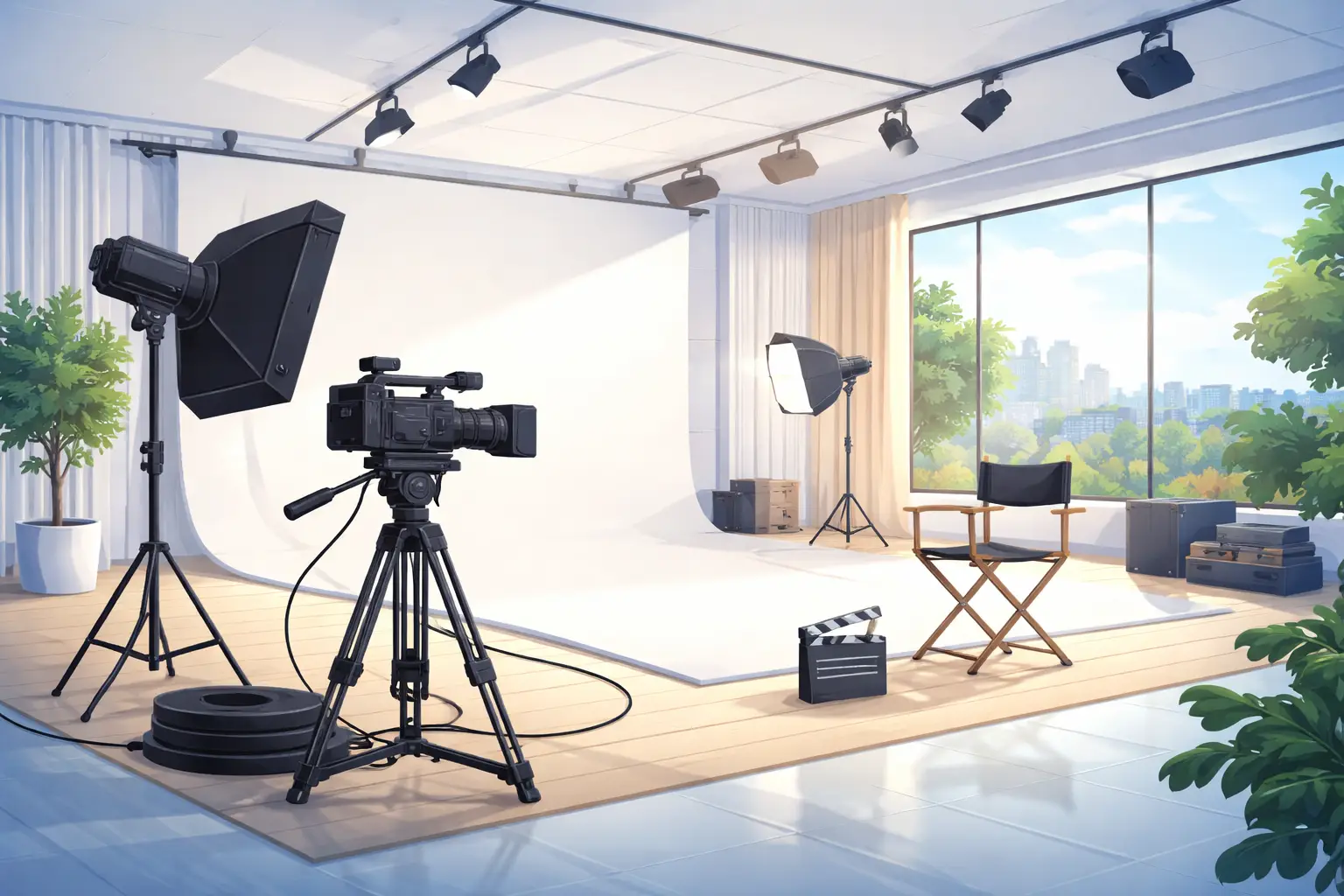
When you search for filming studio hire London, versatility should be the headline. A studio that supports soundproofed booths, green screens, a rigging grid, and an event barn gives producers creative options: build a set, capture clean audio for ADR or podcasts, then switch to a live-streamed panel or an evening industry showcase in the same facility. That flexibility makes scheduling and cross-department coordination far easier.
Sound and production workflows
- Soundproof rooms for controlled dialogue capture and podcast recording.
- Quiet prep and makeup areas close to the main studio to keep noise out of takes.
- On-site tech staff who can manage multicore runs, camera feeds and livestream encoders.
These are the operational elements that make a venue attractive to production companies and creators who need consistent, professional results without moving the crew between multiple sites.
Cost, convenience and creative control — scenario comparisons
Below are two short, practical scenarios showing how a versatile West London venue affects real bookings.
Scenario A — Independent short film
- Needs: two interiors built, two days shoot, dressing and catering, parking for vans.
- Traditional approach: book two separate locations — higher transport costs and more permissions.
- Versatile venue approach: single booking with prep rooms and the ability to build two sets side-by-side — fewer crew transfers, lower downtime between setups, and a predictable single point of contact.
Scenario B — Agency commercial and product photography
- Needs: product stills, two interview segments, and a quick livestream for launch.
- Versatile venue approach: combine a cyc or white-wall studio with a sound-treated interview room and a streaming rig; swap between setups during scheduled breaks to maximize shoot hours.
In both cases, the operational gains (time saved, fewer transport movements, concentrated technical resources) translate into reduced overall risk and smoother creative execution.
Operational checklist before you book
When evaluating a versatile venue in West London, check these operational items in advance and request clear answers from the venue manager:
- Power capacity and distribution plan for your equipment.
- Load-in times, vehicle access, and parking availability for production vans.
- On-site technical and rigging support scope — what is included in the hire and what costs extra.
- Sound isolation ratings or availability of a soundproof studio for clean audio work.
- Green screen and cyc wall dimensions; height and floor finish for camera and dolly setups.
- Storage and secure gear holding during multi-day shoots.
- Accessibility, nearby accommodation options and transit links for cast and crew.
Many venue managers will provide a technical rider, a site plan and a walkthrough — ask for those documents early so you can plan your rigging and schedule precisely.
Diagnosis and Action Checklist
- What is uncertain: exact technical capacity, soundproofing effectiveness, and any site-specific restrictions (e.g., max crew, parking limits, or curfew rules).
- Search terms to use in official sources: “technical specification”, “power distribution”, “acoustic report”, “site plan”, “health and safety policy”, and “planning consent” when checking a venue’s documents or local authority pages.
- Data to collect and tests to perform:
- Request the venue’s technical spec sheet and electrical load schedule; note phase availability and per-socket amperage.
- Obtain any existing acoustic measurements or request a short ISO-based sound test during a site visit to measure background noise and reverberation times.
- Conduct a physical walkthrough at the same time of day you plan to shoot to check for external noise sources and lighting conditions.
- Gather site logistics: dimensions of studios, ceiling heights, door widths, truck access dimensions and parking capacity.
- How to distinguish scenarios:
- If power capacity meets or exceeds your peak equipment draw with margin, you can plan heavy lighting rigs on-site; otherwise, arrange for additional distro or reduce load.
- If sound tests show background noise under your dialogue noise floor, proceed with on-site audio capture; if not, plan for ADR or move interview capture to a dedicated soundproof booth.
- If site plans show secure storage and covered load-in, you can schedule consecutive shoot days with overnight equipment left on-site; if storage is limited, arrange off-site secure storage or adapt scheduling to avoid overnight gear exposure.
- Official sources to consult: venue-provided technical spec and site plan, local council planning pages for restrictions, and any formal acoustic or electrical certifications the venue can supply.
Booking tips and smart use of a versatile venue
- Book a pre-shoot technical day for rigging and camera tests — it often saves time on the shoot day.
- Use dry hire for simple, budget-conscious shoots; request optional technical crew for complex rigs.
- Negotiate a single contact point for logistics, technical issues and post-shoot access to avoid communication gaps.
- Consider venues that publish clear technical riders and safety policies — these simplify your paperwork and health & safety planning.
If you want practical examples of how studios in West London structure podcast, dry hire and green screen bookings, read related guides on site such as Podcast Studio Hire West London for Creators, Creative Studio Hire Ideas for Content in West London, and production studio hire London at Ravenor Farm in Greenford for concrete checklists and booking flow examples.
Summary: For film and TV teams, agencies, podcasters and event organisers, a versatile West London venue reduces friction, concentrates technical resources, and unlocks creative options by combining studio capability with event space. When you combine careful pre-booking checks with a venue that offers flexible hire, you gain time back for the creative work that matters.