


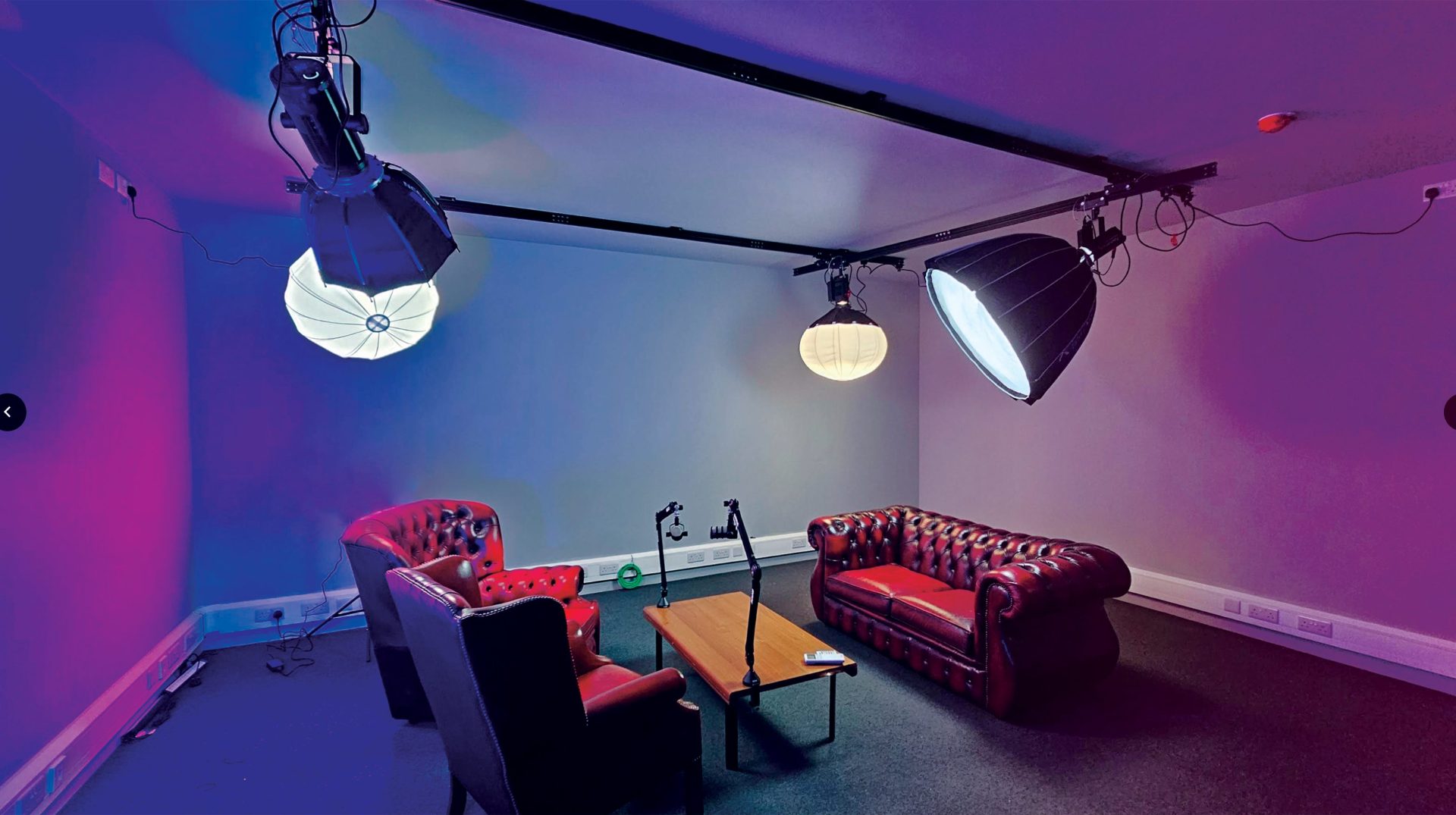
studio hire West London for Podcasters and Creators
Searching for the right podcast studio in West London means balancing acoustics, kit, crew support and how the space fits your workflow. This guide walks creators through practical comparisons and booking-ready checklists, using Ravenor Farm Studios as a clear example of a full-service option between central London and Heathrow. You’ll get scenario-based tips, a sample day plan, gear and staffing advice, and an actionable checklist so you can shortlist and book with confidence.
studio hire West London options and what to expect
There are a few common hire models you’ll encounter when looking for a space:
- Fully equipped studio hire — includes microphones, mixers, monitoring, recording engineer and often a producer. Ideal for creators who want a turnkey session.
- Dry hire / self-managed — you bring your own engineer and kit; the space is provided. Good for experienced teams with specific setups.
- Hybrid day rates — a shorter package that covers setup time, studio time and basic tech support for a single recording day.
- Event venue conversion — larger rooms like The Barn can be used as a private event venue West London or adapted to a live podcast with audience; consider audience sightlines and live-sound needs.
When comparing venues, evaluate these practical factors: quality of soundproofing and acoustic treatment, microphone and preamp options, monitoring setups, room size for multiple hosts or a live audience, on-site technical staff, parking and transport links, and how easily the space converts to photography or live streaming if you want multi-use days (photography studio hire West London or event space hire London use cases).
Why Ravenor Farm Studios is a useful comparator
Ravenor Farm Studios studio hire highlights how a multi-purpose facility can serve different creators: podcast teams, video producers, photographers and event organisers. Look for:
- Clear technical spec sheets that list console models, mic options and room dimensions.
- Support tiers: engineer-on-site, remote patching, or full production services for video and live streaming.
- Event flexibility — spaces that serve as a live music venue West London or a private event venue West London demonstrate adaptability for shows or audience recordings.
For an in-depth booking walkthrough specific to podcasting at Ravenor Farm Studios see the internal guide that explains room choices and prep: Ravenor Farm Studios West London Podcast Studio Hire.
Key questions to ask every venue before you book
- What is the room’s acoustic treatment and is there a spec sheet (RT60 or treatment description)?
- Which microphones, interfaces and monitors are included and can you test them before booking?
- Is there an on-site engineer and what are their responsibilities during your session?
- How long does setup and teardown take, and is that billed as studio time?
- Are there isolation options, separate control rooms, or a live room that doubles as an event space?
- What are parking, loading access and public transport links for guests and equipment?
Practical pre-session checklist and sample day plan
Use this scenario: a two-host interview with a remote guest via ISDN/VoIP, plus a small in-person audience for one segment.
- Two weeks before: Confirm room booking, request the technical spec and a list of included kit. Verify room layout for audience seating.
- One week before: Send guest connect tests and confirm internet speed and backup plan. Ask venue about live-stream routing if needed.
- Day before: Pack backup mics, DI boxes, laptop with DAW session template, headphones, cables and an adapter kit. Share crew call times.
- Sample day schedule:
- 09:00 Arrival and load-in
- 09:30 Mic, monitor and talkback checks
- 10:30 Dry run with remote guest; confirm latency
- 11:30 Recording block 1 (with audience seating ready)
- 13:00 Lunch and review of takes
- 14:00 Recording block 2 / live segment
- 16:00 Wrap, backup and file transfer
Gear and staffing recommendations for creators
Match staffing to the complexity of the session. A simple two-mic interview might need only a studio engineer; a multi-guest episode with live audience and streaming requires a dedicated producer, engineer and streaming operator. For dry hire bookings, ensure you bring dedicated cabling, a patch box and monitoring that matches the room’s talkback ecosystem.
Booking scenarios and how to choose
Choose a fully equipped studio if you want a low-friction day with guaranteed kit and an on-site engineer. Choose dry hire if you have a technical team and prefer to use your own microphones or consoles. If your recording includes a live audience or music elements, prioritise venues marketed as a live music venue West London or private event venue West London because they usually have audience-friendly sightlines and PA systems.
Learn more about studio space hire London use cases and production capacities in this planning guide: Production studio hire London at Ravenor Farm Studios.
How to test a room before committing
- Request a short visit to hear the room with the venue’s standard microphones and monitoring.
- Bring a reference track and record a quick test to check for noise floor and room reflections.
- Test the connectivity you’ll use for remote guests: run a recorded call to check latency, dropouts and sync methods.
Common pitfalls and how to avoid them
- Assuming all “podcast-ready” rooms include the same mics — confirm models and request alternates if you have a preferred capsule.
- Ignoring load-in constraints — send heavy gear ahead or confirm parking and ramp access.
- Not confirming recording file delivery — agree on file formats, naming conventions and transfer method before you leave the studio.
Diagnosis and Action Checklist
If any important detail about a venue is unclear, follow this checklist to verify facts and avoid surprises:
- What is uncertain
- Availability for your date, exact equipment models, room acoustic specification, capacity limits for audience, and permitted uses (live music, recording, photography).
- Where to look in the venue’s official materials
- Search the venue’s technical specification or equipment list for exact model names and patch diagrams.
- Look for a room plan or capacity statement that lists audience numbers and seating layouts.
- Check the venue’s booking terms and conditions for permitted activities and insurance requirements.
- What data to collect and tests to run
- Request the technical spec sheet and take screenshots or download it.
- Schedule an on-site audition: record a short test to capture noise floor and room tone, then review the recording at your workstation.
- Run a connectivity test for remote guests using the same laptop, codec or platform you plan to use; record the session to confirm reliability.
- Ask for a room photo or layout PDF that shows power points, staging and sightlines.
- How to distinguish likely scenarios
- If the spec lists branded console and microphone models and an included engineer, expect turnkey support and no surprise kit shortfalls.
- If only generic terms are used (e.g., “mics provided”), expect variability; require exact model names before booking.
- If a venue publishes an audience capacity with evacuation routes and seating plans, it is more prepared for live events than a space that omits these details.
Post-session delivery and follow-up
Confirm file delivery formats before you leave the studio. Agree on who owns raw takes and where backups are stored. If you recorded video or live-streamed the session, request final edits, multi-track exports and any ancillary assets such as clips for social sharing. For details about preparing a studio day and ensuring a soundproof setup for pro recordings, review this internal booking guide: Podcast studio Greenford Booking Guide for Pro Recordings.
Final practical tips for creators
- Bring a show rundown and cue sheet for the engineer and producer; it shortens setup and protects your schedule.
- Label your media files and back them up twice before leaving the studio.
- Consider a short rehearsal in the room to adapt to room acoustics and monitor levels.
- If you expect crossover with photography or events, ask about multi-day discounts and layout reconfiguration time; a studio that advertises photography studio hire West London or event venue hire West London is typically set up for fast turnover.
Choosing the right studio hire is a practical process of comparing concrete specifications, testing the room where possible, and confirming who will support your session. Use the checklists above to turn an initial shortlist into a confident booking, and prioritise spaces that offer clear specs and experienced technical staff to match your production goals.