


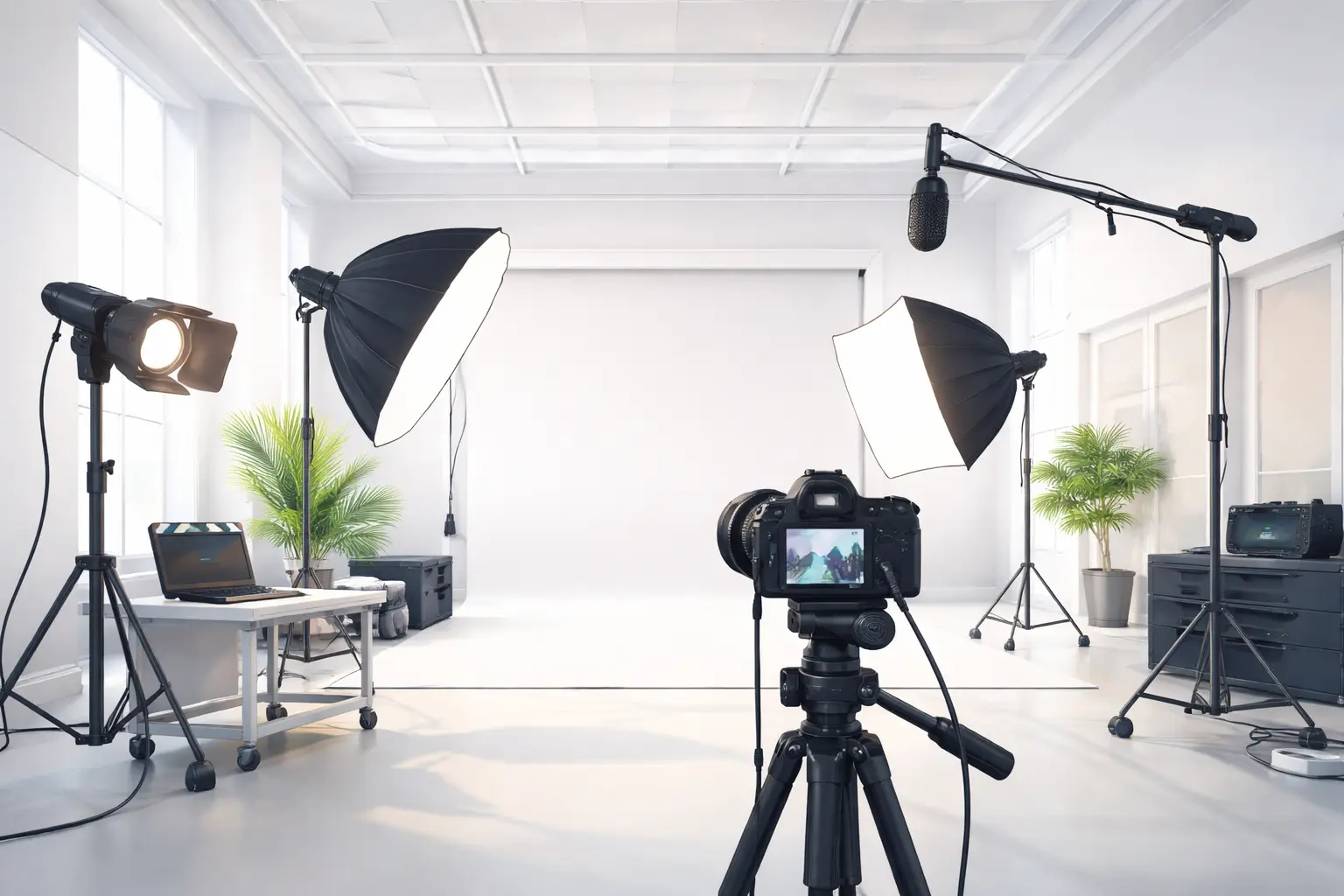
photo studio hire London at Ravenor Farm Studios West London
Finding, booking and running a successful shoot in West London means balancing creative needs, technical logistics and local access. This guide walks producers, photographers and content creators through every stage of booking professional studio space at Ravenor Farm Studios in Greenford—covering how to choose the right room, what to check in advance, a practical booking workflow and on-the-day best practices for film, TV, podcast and stills work.
Choosing the right photo studio hire London space
Start by matching your creative brief to the studio environment. For photography, you need controlled light, power and load-in access; for film and TV you add rigging points, grip power and quiet floors; for audio-first work you need sound isolation and clean signal paths. When you contact a venue, describe the shoot type, camera package and any special requirements so the team can suggest the best space.
- Scope your brief: genre, crew size, kit list, turnaround and deliverables.
- Request a floorplan and a photo or virtual tour so you can visualise camera positions and backdrop options.
- Confirm access logistics like loading, parking, stairs vs ramp and nearby vehicle turnaround.
Use the phrase photography studio London when you specify that you need dedicated stills features—continuous lighting rigs, background rails or tethering points. For multi-camera or set-heavy work, mention film studio London or TV studio London so you receive answers about power capacity, rigging and local crew referrals.
Technical checklist for film and TV shoots
Before you commit to a date, run this technical sweep with the venue technical lead:
- Power: number of dedicated circuits and single-phase vs three-phase availability.
- Rigging: load ratings for trusses, ceiling heights and access to points for lights and microphones.
- Connectivity: on-site internet options and whether there is upload bandwidth suitable for live streaming or remote dailies.
- Green screen and cyc walls: finish quality and usable dimensions if you plan chroma work.
- Sound: whether rooms are untreated, insulated or supplied with a vocal booth for podcast work.
Terms like production studio hire London will help you highlight that you require a full production workflow—technical support, equipment hire partners and space for a production office or catering. If your shoot requires specialist equipment, list the model names so venue technicians can confirm compatibility.
Booking process step by step
- Prepare a concise brief: shoot type, crew count, kit list, preferred dates, prep/strike hours and any audience or event needs.
- Request space options and a written technical spec from the studio, asking the venue to confirm what is included in dry hire or full package quotes.
- Schedule a site visit or virtual walkthrough—inspect sightlines, power points and load-in routes in person when possible.
- Confirm insurance and permit responsibilities in writing. Ask which items the venue requires to be covered and what the venue insures.
- Agree the cancellation, overtime and damage policies and request these in the booking confirmation.
- Send a final production schedule and technical rider at least a few days before the shoot so the venue can stage resources and technical staff.
Preparing for audio and podcast recordings
If you are booking a podcast studio London or a hybrid production that combines video and podcast audio, check signal flow and monitoring options. Confirm microphone models, headphone mixes, recording format (multitrack vs stereo) and whether the studio can supply a producer or engineer. Test drives of the room with your host and equipment are ideal ahead of the session.
Where a show will be streamed live, request a connection test with the studio’s network and ask about redundancy plans for internet or encoder failures.
Production operations and crew workflow
On the day, a clear chain of command prevents delays. Distribute a simple call sheet, designate a site lead who coordinates with the studio technician, and run a short pre-shoot walk to confirm camera lines, actor or talent arrival points and the catering area. Keep the kit list accessible and allow extra time for technical checks—soundchecks, white balancing and camera rehearsals are inexpensive investments in avoiding costly reshoots.
For production studio hire London projects, ensure key departments—sound, camera, lighting and art—have clear arrival times and an agreed plan for strike. If you need additional crew or kit, request the studio’s preferred suppliers early; that saves time on day-of logistics.
On-site safety and permissions
Ask the studio for a site-specific health and safety brief covering emergency exits, first aid, parking protocols and load-in safety. If your shoot involves stunts, hired vehicles or special effects, supply detailed risk assessments and certified operators. The venue will indicate which activities they require to be performed by accredited specialists.
Pricing and availability considerations
Pricing structures vary between dry hire, partial-tech and fully crewed options. Instead of relying on assumed rates, request a clear, itemised quote showing what is included—space hours, basic lighting or sound, technical supervision and any equipment packages. Confirm whether prep and strike hours are billable and how overtime is measured to avoid surprises.
Because availability changes quickly, identify at least two alternative date ranges and ask the studio for provisional holds where possible. Use flexible date options in your brief so the venue can offer the best available slot for your needs.
For event-style productions or bookings that may expand, make sure the venue can scale services—additional power, audience seating or hospitality—so you have contingency options without renegotiating a new contract under time pressure.
How Ravenor Farm Studios supports productions
Ravenor Farm Studios serves creators across film, television, photography and podcasting with flexible spaces in Greenford. The facility focuses on practical production support: technical crews, prepared spaces for both shooting and audio work, and dry hire options for teams who bring their own equipment. Its West London location offers convenient access between Central London and Heathrow, making logistics simpler for regional and international cast and crew.
For podcast-specific facilities see the site’s dedicated page on Podcast Studio Greenford for more details on audio workflows and booking options.
When considering photography studio London bookings, ask the Ravenor Farm Studios team about tethering points, background rails and available grip packages to speed your set-up on the day.
For further reading on neighbouring benefits of location and access, the studio’s post on Studio hire West London near Heathrow for media production explores transport and logistics advantages for productions travelling to West London.
Diagnosis and Action Checklist
- What is uncertain: exact power capacity, rigging load ratings, sound isolation performance, on-site internet upload bandwidth, and venue-specific insurance requirements for your shoot.
- What to look for in official source material: in the venue’s technical spec look for terms like “electrical distribution”, “single-phase / three-phase”, “maximum static/point load”, “sound reduction/performance”, “upload bandwidth” and “insurance/indemnity clauses”. If the venue publishes a PDF technical pack or site manual, open those documents and search those keywords.
- What data to collect and tests to run:
- Request the venue’s technical rider and site plan. Record circuit labels and any notes on peak load limitations.
- Ask for a recent internet speed test from the specific studio room (upload and latency). Run your own connection test at the agreed time if you will stream live.
- Obtain photos of rigging points and ask for stamped load ratings or a signed technician confirmation.
- Arrange an on-site sound test with the actual microphones you will use to confirm room noise floor and reverberation characteristics.
- Collect the venue’s insurance summary and list the exact clauses the studio requires from hirers (public liability thresholds, equipment insurance wording).
- How to decide between likely scenarios:
- If power capacity is limited: either reduce simultaneous high-draw devices, rent a local distro/generator or choose a different date/room—select the option that keeps your essential kit operational without unsafe load increases.
- If internet bandwidth is too low for your stream: arrange a dedicated wired connection, reserve a private upstream window with the studio, or schedule uploads/offline transfers instead of live streaming.
- If sound isolation is inadequate for dialogue or podcast work: book a treated vocal booth or plan ADR/multi-track recording where cleaning is possible in post.
- If insurance requirements differ from your policy: obtain a certificate of insurance from your insurer listing the venue as an interested party, or arrange additional cover through a specialist provider before the booking is confirmed.
Final practical tips before you book
- Document every agreement in writing: confirmed hours, included tech support, equipment lists and cancellation terms.
- Create a simple run sheet and share it with the venue two working days before the shoot so technicians can allocate staff and prepare gear.
- Reserve contingency time in the schedule for technical delays, lighting changes or wardrobe adjustments.
- Keep communication lines open: name a single production contact who coordinates with the studio on the day to speed decisions and minimise disruption.
If you are ready to explore spaces or request a technical spec and quote, contact Ravenor Farm Studios to arrange a site visit or to discuss a tailored production plan and available options.
Related reading: