


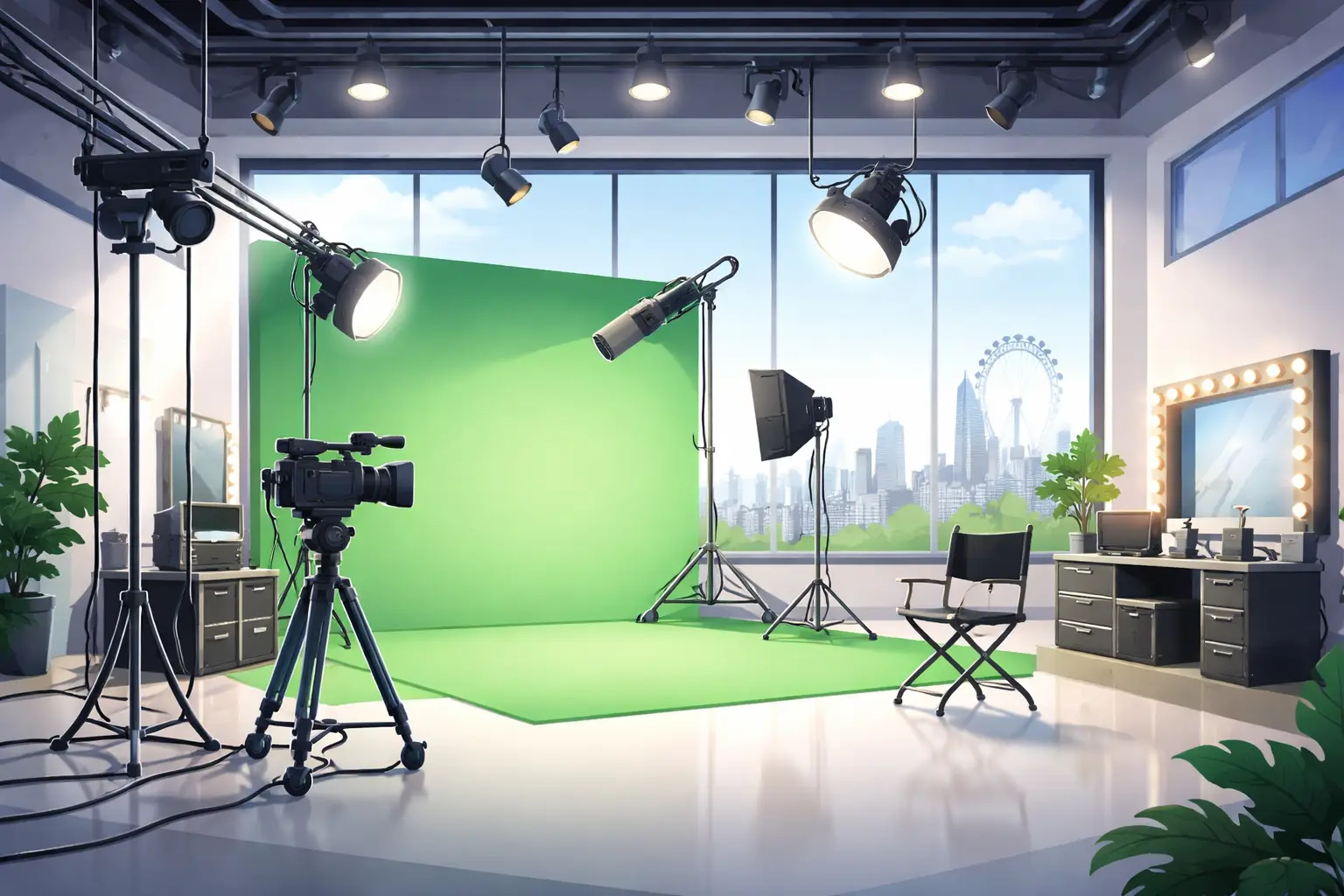
Filming Location London Guide for Studio Hire in Greenford
Choosing the right filming location hire in London shapes your creative results, schedule and budget. This article walks production teams, creators and agencies through step-by-step decisions, real scenarios and practical checks. It uses West London context—especially Greenford studio options—to show how to compare spaces, technical fit, logistics and post‑production needs so your shoot runs smoothly.
content creation studio London checklist
When your brief calls for a content-focused shoot—short-form social, episodic web content or brand films—start by evaluating how a content creation studio London meets these specific needs. Use the checklist below during a scout or call with a studio manager.
- Space and dimensions: Confirm usable floor area, ceiling height and clear floor plans. Map camera moves and set builds against those numbers.
- Acoustics: Ask for room treatment details and recordings of ambient noise at typical shoot times.
- Lighting grid and power: Verify load-bearing capacity, available dimmers and accessible power distribution.
- Camera support and grip: Check for in-house grip kit, generator availability, and safe load-in routes for dollies or cranes.
- Production amenities: Confirm production office space, green room, catering area and secure equipment storage.
- Connectivity: Test or confirm internet speeds, wired connections and options for live streaming if you need social media video production London capabilities.
- Flexibility: Clarify dry hire versus assisted hire terms and whether the space supports quick scene changes for high-output shoots.
Key production criteria to prioritise
Prioritise criteria according to your project type. For a dialogue-heavy short film you may weight acoustics and blackout higher; for a product social ad, lighting control and background variety matter more. Below are the non-negotiables to verify during a physical scout or a live video tour.
Sound and acoustic control
Record a short clip on your phone during the scout at the times you plan to shoot—hear HVAC hums, nearby traffic or delivery noise. If you are recording audio-driven content such as podcasts or live interviews, compare those recordings against a baseline from other candidate locations. If you need an in-house option, confirm availability of a podcast studio Greenford setup or equivalent isolation booths.
Lighting, power and rigging
Ask for the studio’s lighting grid specs and a copy of any weight limits. Confirm the number of dedicated power circuits and whether power distribution boxes or separate circuits are charged additionally. For shoots that require heavy lighting or continuous takes, plan a power walkthrough and request a photo of the fuse board for your electrician or gaffer.
Access, load-in and parking
Measure load-in doors and check ramp access for vehicles. Confirm parking for the van and crew, and whether unloading zones require time-limited permits. For Greenford and other West London locations, proximity to major roads and Heathrow can be a benefit—map your craft delivery timeline against the studio’s loading schedule.
Permissions and permits
Confirm whether the location needs any local council permits for overnight parking, external filming, stunts or drone use. For productions shooting on private studio grounds these are often simpler, but if you plan external shots around a studio you may need additional clearances—ask the studio manager for recent examples and any contacts they use.
How to compare studio hire Greenford options practically
Create a comparison spreadsheet and score each candidate across these columns: technical fit, acoustics, access, crew amenities, internet/connectivity, cost structure (dry/full/assisted), and proximity to cast/crew. Practical scenario:
- Short social campaign: weight quick turnaround, lighting and background variety higher.
- Podcast series: weight isolation, soundproof booths and recording workflow higher—seek a dedicated podcast studio Greenford option.
- Commercial shoot with live audience: prioritise seating, health & safety plans and event insurance handling.
When you shortlist, request a timed site visit and bring a checklist, camera, phone for ambient recordings and a tape measure. If you need a flexible dry hire arrangement, review dry hire options such as those outlined in our article on Dry Hire Studio Options for West London Creative Professionals.
Logistics, crew workflow and post production services London
Plan your day with end-to-end workflow in mind. If you intend to finish edits quickly or require colour grading and deliverables, include post production services London in your vendor list early. Confirm file transfer methods, secure offload stations, and space for editorial if you want to review rushes on-site. A studio that coordinates with post teams shortens turnaround and lowers risk for late discovery of technical issues.
On-set data management
Assign a DIT or data manager to check checksum procedures, backup drives and ingest workflows. Confirm whether the studio provides a secure ingest station or whether you must bring your own kit. For fast social content, agree a daily deliverable schedule so editors can start while the shoot continues.
Why consider Ravenor Farm Studios and local West London hire
If your brief needs easy transport links between Central London and Heathrow, a Greenford-based option can reduce travel time for regional crew and equipment. Ravenor Farm Studios serves film and TV production needs and offers flexible spaces for content creation, podcasting and photography, with technical support tailored to production scale. For producers seeking to book a studio specifically in Greenford, see our post on Studio Hire Greenford for Content Creation and Production to compare fit and services.
booking strategy and timeline
Book the studio early once technical fit is confirmed. Typical timeline suggestions:
- 6–8 weeks before shoot: lock studio and key crew; begin permit applications if needed.
- 3–4 weeks before: finalise set builds, confirm power and rigging plans, and book post production services London.
- 1 week before: confirm load‑in windows, parking and catering; run a technical rehearsal if possible.
For high-output social shoots prioritising volume, arrange block-booking or multi-day rates and clarify turnaround expectations for rush edits and social cuts. If your project involves live streaming, test the connection and confirm the studio’s live feed path and latency allowances for social media video production London workflows.
Example scout scenario and decision
Scenario: a brand wants six 30‑second social spots and a behind‑the‑scenes mini‑doc over three shoot days. Key priorities: rapid set change, consistent lighting, quick editorial turnaround. Applying the guides above, you would:
- Shortlist content creation studio London candidates with modular set zones.
- Confirm each venue’s lighting grid, quick-change areas and on-site ingest/edit room.
- Score technical fit and logistics; choose the studio that supports simultaneous shoots or quick reconfigures to save days.
- Book post production services London in parallel to enable editorial the same day as shooting.
Diagnosis and Action Checklist
- What is uncertain — Whether the shortlisted studio supports required acoustic isolation for your dialogue takes, whether power distribution suffices for planned lighting loads, and whether local permits are needed for any external filming or large vehicle parking.
- What to look for in official sources — In studio contracts and technical spec sheets look for sections titled “acoustic treatment”, “power and electrical supply”, “maximum rigging loads”, “parking policy”, and “external filming/vehicle access”. For council-level permit rules search local authority pages for “filming permit”, “temporary traffic regulation”, or “highway access” relevant to the studio’s borough.
- Data and tests to collect — Take timed ambient sound recordings at the planned shoot hours; photograph and measure load-in door widths and ceiling heights; request a lighting grid diagram and any electrical distribution photos; collect contact details for the studio’s technical manager and examples of recent similar-scale productions they hosted.
- How to distinguish likely scenarios — If ambient noise recordings show consistent HVAC or traffic spikes above your dialogue threshold, treat the studio as unsuitable without additional treatment. If the fuse board shows limited dedicated circuits and your lighting plan exceeds available amps, plan for a generator or alternate studio. If the council pages list “filming permit required” for public pavement or road closures and your shoot needs vehicles parked on-street, treat that location as requiring permit lead time and cost in your schedule.
Final checks before signing
Before confirming a hire, run a short tech rehearsal with key department heads or request a written technical rider acceptance from the studio. Confirm cancellation and rescheduling policies, clarify whether insurance certificates are needed up front, and make sure the studio provides a named technical contact for the day.
For producers focused on content outputs across social channels, align the studio choice with capabilities for rapid turnarounds and reliable livestreaming when required. If you need a dedicated podcast facility as part of your production plan, check availability of a podcast studio Greenford and whether that space can be booked in parallel to the main stage.
If you want to explore suitable Greenford options and book a scout, Ravenor Farm Studios provides multi-format hire and technical support tailored to film and TV production, podcasting and content creation. Use the assessment steps above to brief any studio visit and to compare candidates objectively.