


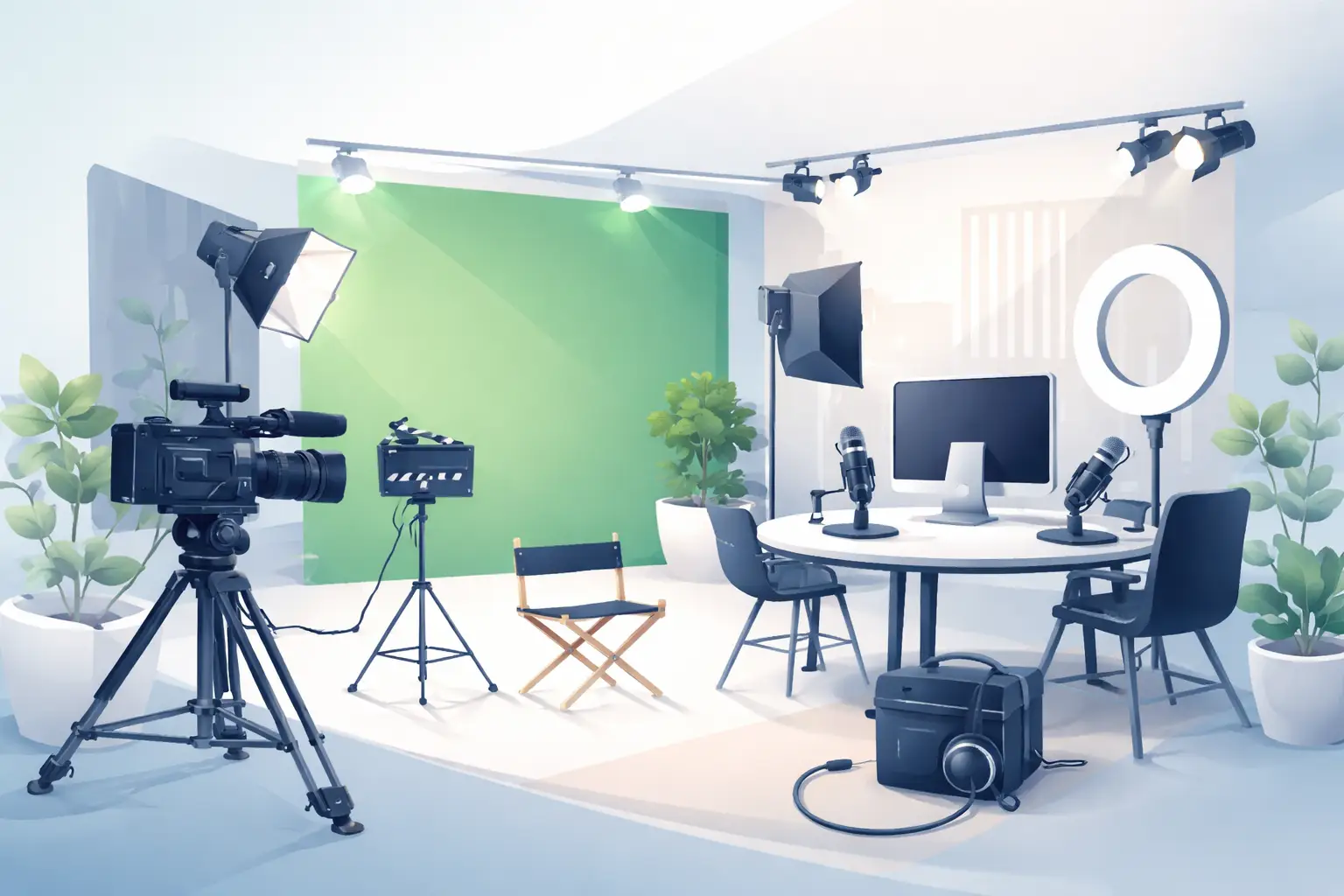
Studio Hire Greenford for Content Creation and Production
Booking a professional studio can transform a basic idea into a polished piece of content. Whether you are planning a podcast, a commercial shoot, or a rapid social campaign, choosing the right space and workflow makes your team faster, safer, and more creative. This guide explains how to maximise content creation with studio hire in West London, with practical steps, on-the-day workflows and follow-through routines designed for creators, agencies and production teams.
content creation studio London
When you search for a content creation studio London, focus on spaces that combine flexible set options, reliable technical infrastructure and experienced crew support. A purpose-built studio in West London gives quick access to Central London talent while still offering easier parking and load-in than inner-city venues. For productions that need both controlled acoustics and versatile shooting areas—podcasts, social videos, photography and live streaming—the right studio significantly reduces wasted time on shoot day.
Plan the production around outcomes not hours
Start every project by defining the deliverables: number and format of videos, aspect ratios for platforms, final file specs, and any packaging requirements. With those outcomes locked, structure your studio booking and crew schedule to match the number of setups rather than an hourly guess. This approach reduces setup turnover and clarifies which studio spaces and services you need—dry hire for single-camera shoots, a fully equipped set for multi-camera live streaming, or a sound-treated space for a podcast recording.
Case scenario — a two-day social campaign
Example workflow for a branded social campaign shot in one studio:
- Day 0: Pre-light and tech test. Bring your director of photography and sound lead to confirm lighting plots and audio chain.
- Day 1: Batch social reels and cutdowns. Use the same camera angles and lighting setups to churn multiple short edits with the same graded look.
- Day 2: Interviews and B-roll. Move to the quieter room for taped interviews and dedicated B-roll, then hand files to editors for parallel post-production.
Studio features that speed production
When evaluating studio hire Greenford or nearby options, prioritise these capabilities because they directly reduce friction:
- Flexible sets and cycle time: easy rigging points, quick-change backgrounds or cyclorama walls.
- Reliable power distribution and labelled distro to avoid on-set outages.
- Clear load-in access and nearby parking for vans and trucks.
- On-site technical support to resolve grip, lighting or audio issues fast.
- Integrated connectivity for live feeds and remote collaborators, which helps hybrid productions.
Production services to expect and request
Studios that support end-to-end production accelerate the entire pipeline. Ask about available services such as camera packages, lighting kits, grip, in-house crew hire, and most importantly, post production services London to keep editing, sound design and colour grading close to the shoot environment. When production and post are coordinated under one roof, editorial handover is faster and file management is cleaner.
Optimise audio and podcast workflow
If your project includes spoken word or music, treating audio as a primary deliverable avoids rework. For podcasters look specifically for a dedicated room and engineering support: a quiet space, proper mic splits, and a workflow for recording isolated stems. A podcast studio Greenford that provides monitoring, isolation booths and a producer workstation will allow you to capture broadcast-ready audio in a single session—saving expensive re-records.
Link to a practical studio resource for podcasters in our local Greenford studio guide: Podcast Studio London in Greenford for Professional Recordings.
Streamlined shoots for social platforms
For fast-turnaround social content, reduce complexity: maintain fixed lighting presets, use consistent framing and capture longer takes to repurpose. A social media content studio London or a space offering quick set changes enables you to film multiple creatives in a single booking. If you plan live or near-live runs, ensure the studio supports reliable uplink or direct encoder output so editors can start ingesting footage immediately.
How to choose between dry hire and full-service hire
Dry hire gives experienced crews freedom to manage their own kit and schedule; full-service hire reduces the administrative load and can include experienced technicians and production managers. Choose dry hire if your team owns most equipment and wants flexible control. Opt for full-service if you need quicker turnarounds or lack experienced technicians—especially for complex multi-camera shoots or live broadcasts that require quick fixes on site.
Read about flexible options for live projects and multi-use spaces here: Live Streaming Studio London and Video Production Benefits.
Post-production and delivery best practices
Integrating post-production into the booking reduces delivery timelines. Confirm file-naming conventions, codec and resolution targets before the shoot. If you plan to use internal editing bays or hand files to a house editor, request a stopwatch for capture times and a consistent ingest folder structure. Using in-studio post workflows and having access to post production services London reduces turnaround and avoids format mismatches at the final stage.
Scheduling, permits and location considerations
For shoots requiring external filming or complex logistics, check local access, parking, and any council or venue permissions. If your production uses cranes, drones or stunts, include time in your schedule for safety briefings and risk assessments. When booking a filming location London site, confirm the venue’s arrival windows, load-in area dimensions and any noise curfews that could affect takes.
On the day checklist for a smooth shoot
- Confirm arrival times for all crew and talent and share a clear call sheet.
- Run a tech rehearsal for lighting and audio; test camera roll and slate workflow.
- Record a brief reference clip for colour profiling and a sync tone for audio alignment.
- Keep spare media cards, batteries and backup drives on-site.
- Capture high-resolution stills for social assets while the set is live.
- Start ingest to editors as footage is wrapped to enable parallel post-production.
Pricing, agreements and payment tips
Avoid surprises by getting a single document that outlines what is included in the studio booking: equipment lists, staffing, overtime rates and delivery schedules. Clarify cancellation and reschedule policies early. Request clear invoicing and confirm any additional costs for cleaning, set reset or technical changes beyond the agreed scope.
Diagnosis and Action Checklist
- What is uncertain: exact studio technical specs, sound isolation level, power capacity, permitted shoot activities, and on-site post-production capabilities.
- Where to look in official sources: search the studio or venue’s published technical rider and floorplan; look for sections titled “Technical Specification”, “Power/Distribution”, “Acoustics” or “Facilities”. For local permissions, search municipal council pages for “film permits”, “temporary event notice” or “road closure” in the venue’s borough.
- Data to collect or tests to run:
- Request a labelled floorplan showing door widths, ceiling heights and rig points.
- Ask for a written power distribution list showing amps and the available grounded outlets.
- Obtain sample audio recordings or an NR (noise) reading to verify isolation quality.
- Confirm a list of in-house gear and exact post suites available, including NLE and codec support.
- Perform a site visit and run a quick tech test: plug a camera, light and recorder into the location distro and verify load handling and signal paths.
- Which official sources to use: studio technical rider and official venue documentation; municipal government or council websites for permits; transport authority pages for road access rules; and professional industry guides or union resources for safety and working time regulations.
- How to interpret scenarios:
- If the power distro lists sufficient amperage and labelled circuits, proceed with multi-camera setups; if not, plan to reduce simultaneous gear or bring external distro with generator support.
- If NR readings and sample audio show low background noise, schedule critical vocal takes on-site; if not, plan ADR or book a quieter space.
- If the venue provides on-site editing with compatible codecs and storage, arrange parallel post; if not, plan for secure transfer and a designated ingest workstation off-site.
Ready-to-use booking checklist
- Define deliverables and final file specs before contacting studios.
- Request a technical rider, floorplan and sample audio/video from the studio.
- Confirm load-in windows, parking and access dimensions for vehicles.
- Book required crew and reserve post-production time aligned to expected ingest schedule.
- Plan for backups: extra media, spare power and a fallback edit pipeline.
For creators based in West London, a local solution reduces transit time and lets teams iterate faster. Ravenor Farm Studios offers flexible spaces and technical support that suit a wide range of projects from podcasts and social campaigns to film and TV production. If you want examples of dry hire options and practical setups for creative professionals, consider reading our guide to dry hire: Dry Hire Studio Options for West London Creative Professionals.
Using a studio effectively is about planning outcomes, matching the right services, and building a clear handover to post. With the right checklist and a studio partner that offers both the space and production expertise, you can consistently deliver higher-quality content faster and with less rework.